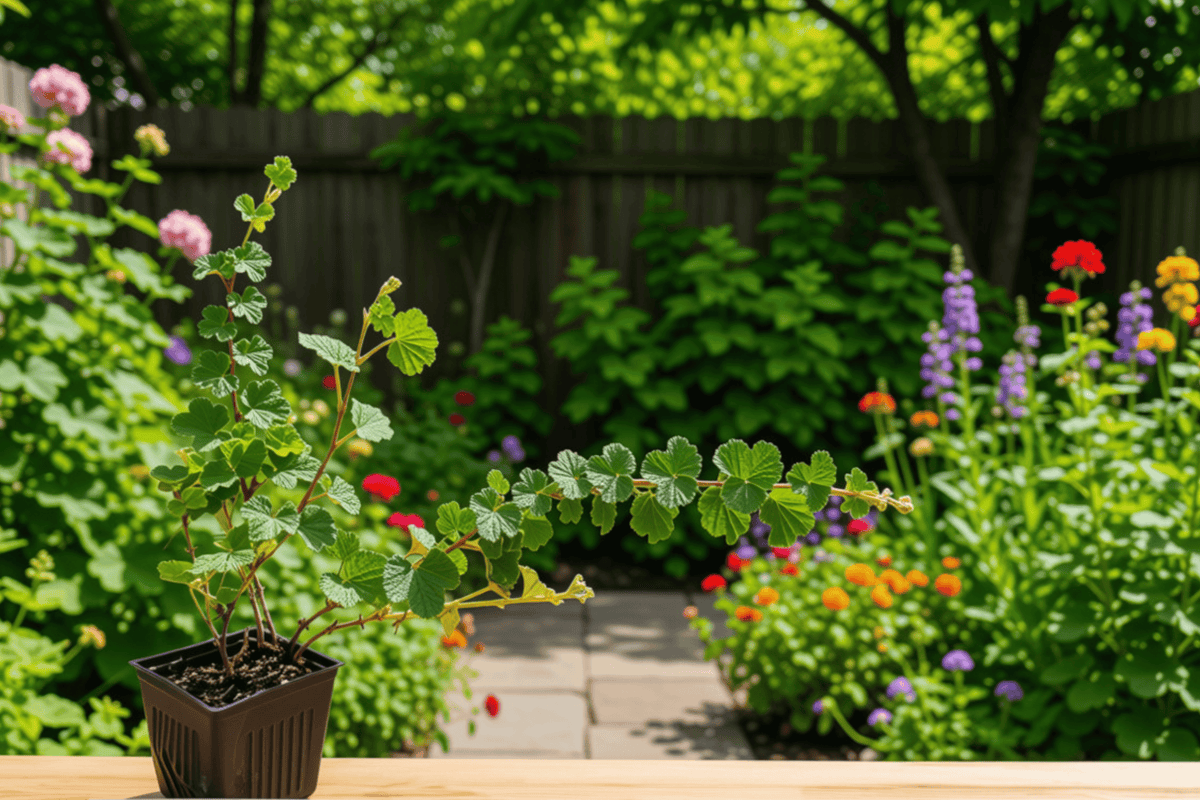

Taiwan Creeping Raspberry 2 Live Plants – Rubus hayata-koidzumii – Edible Ground Cover
Taiwan Creeping Raspberry 2 Live Plants – Rubus hayata-koidzumii – Edible Ground Cover
Couldn't load pickup availability
Taiwan Creeping Raspberry (Rubus hayata-koidzumii), also known as Creeping Raspberry or Creeping Bramble, is a low-growing perennial ground cover native to Taiwan. It is recognized for its textured green foliage, trailing stems, small white flowers, and edible golden-orange berries.
This listing includes 2 live Taiwan Creeping Raspberry plants intended for continued growth and establishment. Their naturally spreading growth habit makes them suitable for rock gardens, slopes, retaining walls, outdoor containers, and ornamental ground cover plantings.
Taiwan Creeping Raspberry grows in full sun to partial shade and prefers well-drained soil. Established plants tolerate periods of seasonal dryness. Its dense foliage may develop bronze or reddish tones during colder weather, providing seasonal interest in outdoor landscapes.
Plant Quantity, Size, and Shipping Disclosure
2 live plants
Golden-orange
Not specified
Generally 7–9
|
Shipping Attribute |
Details |
|---|---|
|
Quantity |
2 live plants |
|
Common Name |
Taiwan Creeping Raspberry |
|
Scientific Name |
Rubus hayata-koidzumii |
|
Botanical Synonym |
Rubus calycinoides |
|
Plant Form |
Live young ground cover plants |
|
Shipping Height |
Not specified |
|
Plant Spread |
Not specified |
|
Plant Age |
Not specified |
|
Nursery Container Size |
Not specified |
|
Root Presentation |
Not specified |
|
Flowers and Berries at Delivery |
Not guaranteed |
You will receive 2 live Taiwan Creeping Raspberry plants, not seeds, harvested berries, or established ground cover mats.
Fruit Production Disclosure: Taiwan Creeping Raspberry produces small edible berries under suitable growing conditions. Fruit production depends on plant maturity, pollination, climate, and seasonal conditions. It is primarily grown as an ornamental ground cover rather than a commercial fruit-producing raspberry.
Growth Habit Disclosure: Taiwan Creeping Raspberry spreads through trailing stems that can root where they contact the soil. Its spreading habit should be considered when selecting a planting location.
Plant Condition Disclosure:
Live plants may be shipped dormant, leafless, recently pruned, bare root, or partially defoliated depending on season, weather, and shipping requirements.
Natural variation in size, branching, foliage density, color, root structure, and overall appearance should be expected.
Important Note:
You will receive a live starter plant (seedling/young plant). Listing photos show the plant at a mature stage for reference only. The actual plant size, shape, and appearance may vary and will be significantly smaller than the images shown.
-
Quantity: 2 live Taiwan Creeping Raspberry plants.
-
Scientific Name: Rubus hayata-koidzumii.
-
Botanical Synonym: Rubus calycinoides.
-
Alternative Names: Creeping Raspberry, Creeping Bramble.
-
Plant Family: Rosaceae.
-
Plant Type: Spreading perennial ground cover.
-
Life Cycle: Perennial.
-
Growth Habit: Low-growing, creeping, and mat-forming.
-
Foliage Color: Green with possible bronze or reddish winter tones.
-
Foliage Texture: Thick, textured, and wrinkled leaves.
-
Flower Color: White.
-
Bloom Season: Generally summer.
-
Fruit Color: Golden-yellow to orange.
-
Fruit Edibility: Edible when ripe.
-
Fruit Production: Dependent on maturity and growing conditions.
-
Sun Requirements: Full sun to partial shade.
-
Soil Preference: Well-drained soil.
-
Water Requirements: Low to moderate once established.
-
USDA Hardiness Zones: Generally 7–9.
-
Drought Tolerance: Moderate once established.
-
Native Origin: Taiwan.
-
Ground Cover Suitability: Naturally spreading, mat-forming growth.
-
Erosion Control: Established plants can help stabilize surface soil.
-
Pollinator Value: Flowers provide resources for pollinating insects.
-
Container Suitability: Suitable for outdoor containers and cascading arrangements.
-
Landscape Uses: Rock gardens, slopes, retaining walls, and ornamental borders.
-
Foliage Persistence: Evergreen to semi-evergreen, depending on climate.
-
Shipping Height: Not specified.
-
Plant Spread: Not specified.
-
Plant Age: Not specified.
-
Nursery Container Size: Not specified.
-
Root Presentation: Not specified.
2 live Taiwan Creeping Raspberry plants (Rubus hayata-koidzumii).
Quantity: 2 plants.
Plant form: Live young perennial ground cover plants.
Shipping height, plant spread, plant age, nursery container size, and root presentation: Not specified.
Harvested berries: Not included.
|
Attribute |
Details |
|---|---|
|
Common Name |
Taiwan Creeping Raspberry |
|
Scientific Name |
Rubus hayata-koidzumii |
|
Botanical Synonym |
Rubus calycinoides |
|
Alternative Names |
Creeping Raspberry, Creeping Bramble |
|
Plant Family |
Rosaceae |
|
Plant Type |
Perennial ground cover |
|
Quantity |
2 live plants |
|
Plant Form |
Live young plants |
|
Shipping Height |
Not specified |
|
Plant Spread |
Not specified |
|
Plant Age |
Not specified |
|
Container Size |
Not specified |
|
Root Presentation |
Not specified |
|
Life Cycle |
Perennial |
|
Growth Habit |
Creeping, spreading, mat-forming |
|
Spreading Method |
Trailing, rooting stems |
|
Foliage Color |
Green, bronze or reddish in cold weather |
|
Foliage Texture |
Thick and wrinkled |
|
Flower Color |
White |
|
Bloom Season |
Summer |
|
Fruit Color |
Golden-yellow to orange |
|
Fruit Edibility |
Edible |
|
Fruit Production |
Dependent on growing conditions |
|
Sunlight |
Full sun to partial shade |
|
Soil |
Well-drained |
|
Water |
Low to moderate |
|
USDA Zone |
Generally 7–9 |
|
Native Origin |
Taiwan |
|
Drought Tolerance |
Moderate once established |
|
Maintenance Level |
Relatively low once established |
|
Foliage Persistence |
Evergreen to semi-evergreen |
|
Ground Cover Suitability |
Yes |
|
Erosion Control Suitability |
Yes, once established |
|
Container Suitability |
Yes |
|
Growing Location |
Outdoors |
|
Landscape Use |
Slopes, rock gardens, retaining walls, borders |
|
Shipping Condition |
Live young plants |
Share