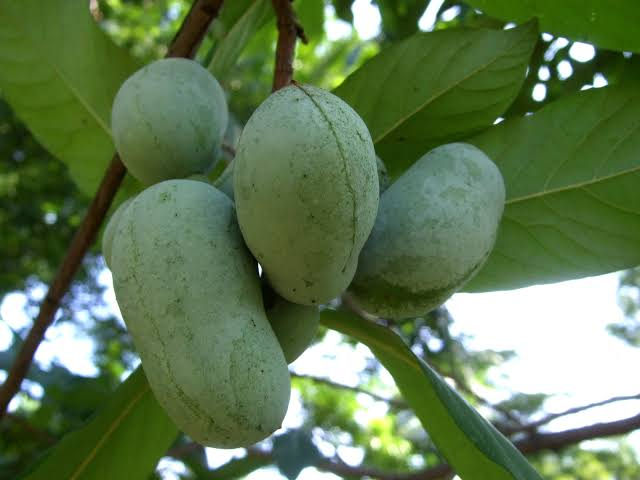

Pawpaw 1 Live Native Fruit Tree, 3 Gallon Nursery Pot – Asimina triloba
Pawpaw 1 Live Native Fruit Tree, 3 Gallon Nursery Pot – Asimina triloba
Couldn't load pickup availability
Pawpaw (Asimina triloba) is a deciduous fruit tree native to eastern North America and valued for its distinctive tropical-looking foliage, unusual spring flowers, and edible fruit. It is the only widely cultivated temperate member of the custard apple family (Annonaceae) native to the United States. Its large, elongated green leaves create a lush appearance, making Pawpaw an attractive addition to native plant gardens, woodland landscapes, and edible home orchards.
During spring, Pawpaw produces small, unusual flowers that develop from greenish-purple buds into deep maroon or burgundy blossoms. When successfully pollinated, these flowers can develop into oval to oblong fruits that ripen from green to yellowish-green, sometimes with darker patches. The soft, creamy flesh has a sweet flavor often described as a combination of banana, mango, and custard. The fruit contains several large seeds that should not be eaten.
Pawpaw grows best in fertile, moist, well-drained soil and is well adapted to temperate climates. Young trees naturally tolerate partial shade, while established fruiting trees generally produce better crops with increased sunlight. Pawpaw flowers are typically not reliably self-fertile, so planting two genetically distinct, compatible Pawpaw trees is recommended for fruit production. As a deciduous tree, Pawpaw loses its foliage during autumn and becomes dormant through winter.
Each order includes 1 live Pawpaw tree supplied in a 3-gallon nursery container (G3).
Shipping Height: Not specified.
Shipping Size
-
Quantity: 1 Live Pawpaw Tree
-
Container Size: 3 Gallon Nursery Pot (G3)
-
Shipping Height: Not specified
-
Plant Form: Rooted, Container-Grown Deciduous Fruit Tree
-
Flower Color: Deep Maroon to Burgundy
-
Fruit Color: Green to Yellowish-Green When Ripe
-
Fruit Type: Edible Pawpaw Fruit
-
Foliage Color: Medium to Dark Green
-
Leaf Characteristics: Large, Elongated, Tropical-Looking
-
Growth Habit: Upright, Broadleaf, Deciduous
-
Bloom Season: Spring
-
Harvest Season: Late Summer to Early Fall, Depending on Climate
-
Seasonal Appearance: Deciduous; May Arrive Dormant or Leafless
Plant Condition Disclosure:
Live plants may be shipped dormant, leafless, recently pruned, bare root, or partially defoliated depending on season, weather, and shipping requirements.
Natural variation in size, branching, foliage density, color, root structure, and overall appearance should be expected.
Important Note:
You will receive a live starter plant (seedling/young plant). Listing photos show the plant at a mature stage for reference only. The actual plant size, shape, and appearance may vary and will be significantly smaller than the images shown.
Fruit and Seed Safety Notice: Only the ripe fruit pulp is intended for consumption. Pawpaw seeds and skin should not be eaten. Unripe fruit and other plant parts are not recommended for consumption.
-
Quantity: 1 Live Pawpaw Tree
-
Container Size: 3 Gallon Nursery Pot (G3)
-
Shipping Height: Not specified
-
Common Name: Pawpaw
-
Alternative Common Names: American Pawpaw, Common Pawpaw
-
Scientific Name: Asimina triloba
-
Plant Type: Native Deciduous Fruit Tree
-
Life Cycle: Perennial
-
Growth Habit: Upright, Broadleaf, Deciduous
-
Flower Color: Deep Maroon to Burgundy
-
Flower Form: Small, Cup-Shaped Flowers With Fleshy Petals
-
Bloom Season: Spring
-
Fruit Color: Green to Yellowish-Green
-
Fruit Type: Edible Pawpaw Fruit
-
Fruit Flesh: Soft, Creamy, Yellow to Orange-Yellow
-
Fruit Flavor: Sweet, Custard-Like, With Tropical Fruit Notes
-
Harvest Season: Late Summer to Early Fall
-
Foliage Color: Medium to Dark Green
-
Leaf Characteristics: Large, Elongated, Tropical-Looking
-
USDA Hardiness Zones: Generally 5–9
-
Sunlight: Partial Shade When Young; Full Sun to Partial Shade When Established
-
Soil Preference: Fertile, Moist, Well-Drained Soil
-
Water Requirements: Moderate; Consistent Moisture Preferred
-
Pollination: Cross-Pollination With a Genetically Distinct Pawpaw Recommended
-
Native Range: Eastern North America
-
Landscape Uses: Native Plant Gardens, Edible Landscapes, Woodland Gardens, Home Orchards, and Naturalized Plantings
-
Seasonal Habit: Deciduous
-
Winter Appearance: Dormant and Leafless
Live Pawpaw (Asimina triloba) native deciduous fruit tree, natural root system, nursery growing medium, 3-gallon nursery container.
|
Attribute |
Details |
|---|---|
|
Common Name |
Pawpaw |
|
Alternative Common Names |
American Pawpaw, Common Pawpaw |
|
Scientific Name |
Asimina triloba |
|
Plant Type |
Live Native Deciduous Fruit Tree |
|
Plant Form |
Rooted, Container-Grown Live Tree |
|
Quantity |
1 Tree |
|
Container Size |
3 Gallon Nursery Pot (G3) |
|
Shipping Height |
Not Specified |
|
Life Cycle |
Perennial |
|
Flower/Fruit Color |
Maroon-Burgundy Flowers; Green to Yellowish-Green Fruit |
|
Flower Form |
Cup-Shaped With Fleshy Petals |
|
Bloom Season |
Spring |
|
Harvest Season |
Late Summer to Early Fall |
|
Fruit Type |
Edible Pawpaw |
|
Fruit Flesh |
Soft, Creamy, Yellow to Orange-Yellow |
|
Fruit Flavor |
Sweet, Custard-Like |
|
Foliage Color |
Medium to Dark Green |
|
Leaf Characteristics |
Large, Elongated |
|
Growth Habit |
Upright, Broadleaf |
|
Sunlight |
Partial Shade When Young; Full Sun to Partial Shade When Established |
|
Soil |
Fertile, Moist, Well-Drained |
|
Water |
Moderate; Consistent Moisture Preferred |
|
USDA Zone |
Generally 5–9 |
|
Pollination |
Cross-Pollination With a Genetically Distinct Tree Recommended |
|
Native Plant |
Yes, Eastern North America |
|
Edible Fruit |
Yes, Ripe Pulp Only |
|
Home Orchard Suitable |
Yes |
|
Native Garden Suitable |
Yes |
|
Woodland Garden Suitable |
Yes |
|
Edible Landscape Suitable |
Yes |
|
Naturalized Planting Suitable |
Yes |
|
Container Suitable |
Suitable for Nursery Growth and Temporary Container Cultivation |
|
Evergreen/Deciduous |
Deciduous |
|
Outdoor Plant |
Yes |
|
Seasonal Dormancy |
Winter Dormancy; May Ship Leafless |
|
Ornamental Feature |
Tropical-Looking Leaves, Burgundy Flowers, and Edible Fruit |
Share