
Honey Locust – 1 Live Potted Tree, 18–28 Inches Tall – Gleditsia triacanthos
Honey Locust – 1 Live Potted Tree, 18–28 Inches Tall – Gleditsia triacanthos
Couldn't load pickup availability
Honey Locust (Gleditsia triacanthos) is a deciduous tree native to central and eastern North America, valued for its finely textured foliage, adaptable growth habit, and usefulness in wildlife-friendly landscapes. Its delicate leaves create a light, filtered canopy, making it an attractive option for ornamental planting, naturalized landscapes, and larger properties.
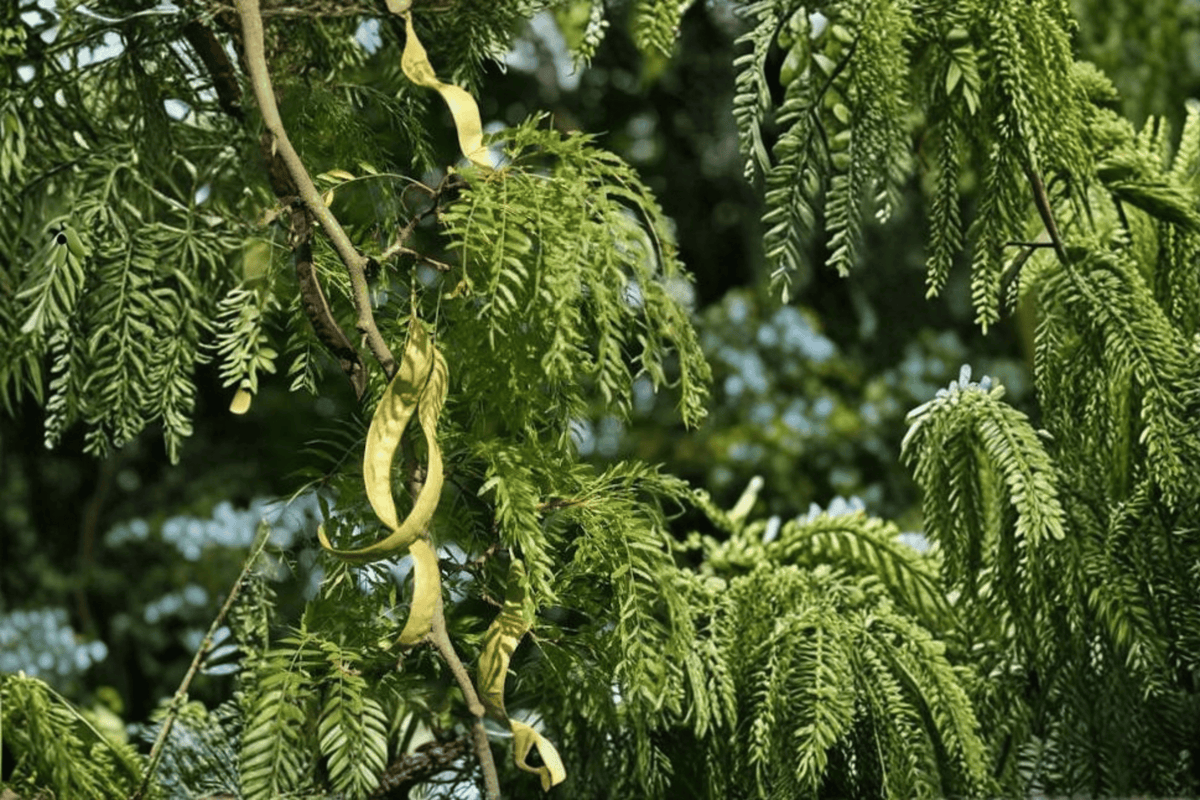
During spring and summer, Honey Locust produces bright to medium-green compound leaves composed of numerous small leaflets. These leaves turn yellow in autumn before falling for winter. Small, greenish flowers appear in late spring to early summer and can attract bees and other pollinating insects. Many Honey Locust trees also produce long, flattened seed pods that may provide seasonal food resources for wildlife.
Honey Locust generally develops an upright, spreading growth habit and performs best in full sun. It tolerates a range of soil conditions, including periods of drought once established. The species may be used in windbreaks, shelterbelts, and erosion-control plantings where site conditions are suitable. Its distinctive foliage and branching structure also make young specimens of interest for outdoor bonsai training.
You will receive 1 live Honey Locust (Gleditsia triacanthos) growing in a nursery pot. Approx. 18–28 inches tall at time of shipping. This is a young tree rather than a mature landscape specimen.
Important Variety Information: This listing identifies the species Gleditsia triacanthos but does not specify a thornless cultivar. Typical Honey Locust trees may develop substantial thorns on their trunks and branches. Thornlessness is not guaranteed.
Seasonal Appearance: Honey Locust is deciduous and may arrive with green foliage during the growing season or dormant and leafless during colder months.
Plant Condition Disclosure:
Live plants may be shipped dormant, leafless, recently pruned, bare root, or partially defoliated depending on season, weather, and shipping requirements.
Natural variation in size, branching, foliage density, color, root structure, and overall appearance should be expected.
Important Note:
You will receive a live starter plant (seedling/young plant). Listing photos show the plant at a mature stage for reference only. The actual plant size, shape, and appearance may vary and will be significantly smaller than the images shown.
-
Common Name: Honey Locust
-
Scientific Name: Gleditsia triacanthos
-
Botanical Family: Fabaceae
-
Plant Classification: Deciduous Native Tree
-
Native Range: Central and eastern North America
-
Quantity: 1 live potted tree
-
Shipping Height: Approx. 18–28 inches tall at time of shipping.
-
Plant Form: Young nursery-grown tree
-
Root Status: Growing in nursery potting medium
-
Foliage Type: Pinnately or bipinnately compound leaves
-
Spring Foliage: Bright green
-
Summer Foliage: Medium green
-
Fall Foliage: Yellow
-
Flower Color: Greenish yellow
-
Blooming Season: Late spring to early summer
-
Pollinator Value: Flowers can attract bees and other pollinating insects
-
Fruit: Long, flattened seed pods on fruit-producing trees
-
Growth Habit: Upright, spreading, with a relatively open canopy
-
Thorns: Species may develop prominent thorns; thornless form not guaranteed
-
Life Cycle: Perennial
-
Sunlight: Full sun
-
Soil: Adaptable to a range of soil types; well-drained preferred
-
Water: Moderate during establishment; drought tolerant once established
-
USDA Hardiness Zones: Generally Zones 3–8
-
Wildlife Value: Provides habitat and seasonal food resources
-
Landscape Uses: Windbreaks, shelterbelts, naturalized plantings, and erosion-control projects
-
Bonsai Suitability: Suitable for outdoor bonsai training
-
Container Suitability: Suitable for temporary container cultivation or managed outdoor bonsai
1 live Honey Locust (Gleditsia triacanthos) tree, nursery pot, growing medium, and root system.
|
Attribute |
Details |
|---|---|
|
Common Name |
Honey Locust |
|
Scientific Name |
Gleditsia triacanthos |
|
Botanical Family |
Fabaceae |
|
Plant Type |
Deciduous Native Tree |
|
Life Cycle |
Perennial |
|
Native Range |
Central and eastern North America |
|
Flower/Fruit Color |
Greenish-yellow flowers; brown seed pods |
|
Blooming Season |
Late spring to early summer |
|
Growth Habit |
Upright, spreading, open canopy |
|
Foliage |
Fine-textured, compound green leaves |
|
Fall Color |
Yellow |
|
Thorns |
May develop prominent thorns |
|
Thornless Cultivar |
Not specified or guaranteed |
|
Sunlight |
Full sun |
|
Soil |
Adaptable; well-drained preferred |
|
Water |
Moderate; drought tolerant once established |
|
USDA Zone |
Generally 3–8 |
|
Pollinator Value |
Flowers attract bees and other insects |
|
Wildlife Value |
Habitat and seasonal food resources |
|
Quantity |
1 live tree |
|
Shipping Height |
Approx. 18–28 inches tall at time of shipping. |
|
Shipping Form |
Potted live tree |
|
Root Status |
Growing in nursery pot |
|
Pot Size |
Not specified |
|
Dormancy |
May ship leafless during winter |
|
Container Suitable |
Temporarily; outdoor bonsai with care |
|
Primary Use |
Windbreaks, erosion control, wildlife landscapes, bonsai |
Share