
Calamint 1 Live Plant – Calamintha nepeta subsp. nepeta – Quart Pot
Calamint 1 Live Plant – Calamintha nepeta subsp. nepeta – Quart Pot
Couldn't load pickup availability
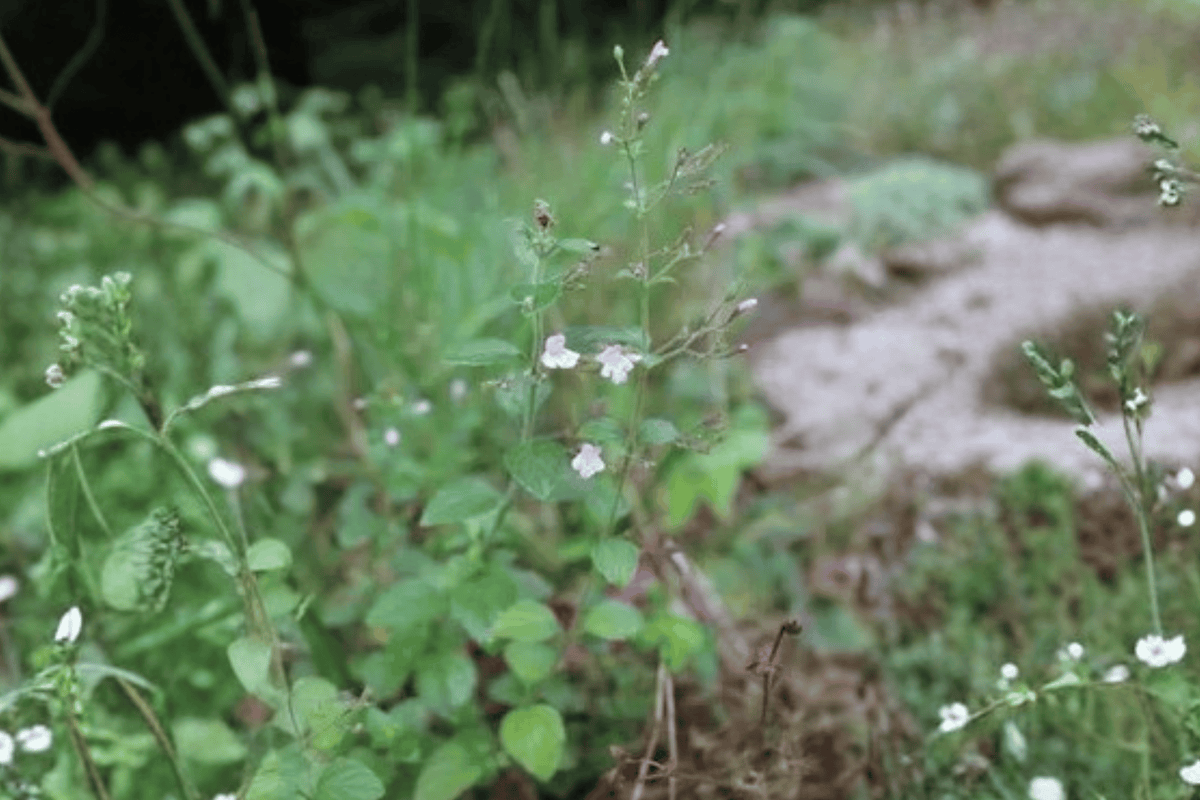
Calamint (Calamintha nepeta subsp. nepeta), also known botanically as Clinopodium nepeta subsp. nepeta, is a fragrant herbaceous perennial appreciated for its aromatic green foliage and delicate flowers. Its small leaves release a pleasant mint-like fragrance when brushed, while its airy clusters of pale lavender to nearly white blossoms add a soft, natural appearance to ornamental gardens.
This flowering perennial is especially attractive to bees, butterflies, and other visiting pollinators. Calamint develops a bushy, branching growth habit that works well in cottage gardens, perennial borders, herb gardens, and pollinator-friendly landscapes. Its combination of fragrant foliage and seasonal flowers also makes it a versatile choice for outdoor container arrangements.
Supplied as one live Calamint plant in a quart-size nursery pot (QT), this perennial grows best in full sun to partial shade and well-drained soil. Once established, Calamint generally tolerates periods of dry weather and provides fragrant foliage and seasonal floral interest.
Plant Quantity: 1 Live Plant
Pot Size: Quart Pot (QT)
Plant Form: Live potted perennial herb
Shipping Height: Not specified
Growth Habit: Bushy, branching, mounding
Foliage: Aromatic green leaves
Flower Color: Pale lavender to nearly white
Plant Condition Disclosure:
Live plants may be shipped dormant, leafless, recently pruned, bare root, or partially defoliated depending on season, weather, and shipping requirements.
Natural variation in size, branching, foliage density, color, root structure, and overall appearance should be expected.
Important Note:
You will receive a live starter plant (seedling/young plant). Listing photos show the plant at a mature stage for reference only. The actual plant size, shape, and appearance may vary and will be significantly smaller than the images shown.
-
Common Name: Calamint, Lesser Calamint
-
Scientific Name: Calamintha nepeta subsp. nepeta
-
Botanical Synonym: Clinopodium nepeta subsp. nepeta
-
Plant Quantity: 1 live plant
-
Pot Size: Quart Pot (QT)
-
Plant Type: Aromatic herbaceous perennial
-
Foliage Color: Green
-
Foliage Characteristics: Fragrant, mint-like aroma
-
Flower Color: Pale lavender to nearly white
-
Growth Habit: Bushy, branching, mounding
-
Pollinator Interest: Attracts bees and butterflies
-
Sunlight: Full sun to partial shade
-
USDA Hardiness Zones: Generally 5–9
-
Soil Preference: Well-drained soil
-
Water Requirements: Moderate during establishment
-
Drought Tolerance: Relatively drought tolerant once established
-
Landscape Uses: Herb gardens, cottage gardens, pollinator gardens, perennial borders
-
Container Suitable: Yes, with adequate drainage
-
Seasonal Interest: Fragrant foliage and seasonal flowers
-
Shipping Height: Not specified
One live Calamint plant (Calamintha nepeta subsp. nepeta), natural herbaceous stems, aromatic green foliage, root system, growing medium, and quart-size nursery pot.
|
Attribute |
Details |
|---|---|
|
Common Name |
Calamint, Lesser Calamint |
|
Scientific Name |
Calamintha nepeta subsp. nepeta |
|
Botanical Synonym |
Clinopodium nepeta subsp. nepeta |
|
Plant Type |
Aromatic perennial herb |
|
Life Cycle |
Perennial |
|
Plant Quantity |
1 Live Plant |
|
Plant Form |
Live potted herb |
|
Pot Size |
Quart Pot (QT) |
|
Shipping Height |
Not specified |
|
Foliage Color |
Green |
|
Foliage Characteristics |
Aromatic, mint-scented |
|
Flower/Fruit Color |
Pale lavender to nearly white flowers |
|
Growth Habit |
Bushy, branching, mounding |
|
Sunlight |
Full sun to partial shade |
|
Soil |
Well-drained |
|
Water |
Moderate |
|
USDA Zone |
Generally 5–9 |
|
Pollinator Friendly |
Yes |
|
Drought Tolerance |
Relatively drought tolerant once established |
|
Container Suitable |
Yes |
|
Landscape Use |
Herb gardens, pollinator gardens, borders |
|
Seasonal Appearance |
May die back or become dormant in winter |
Share